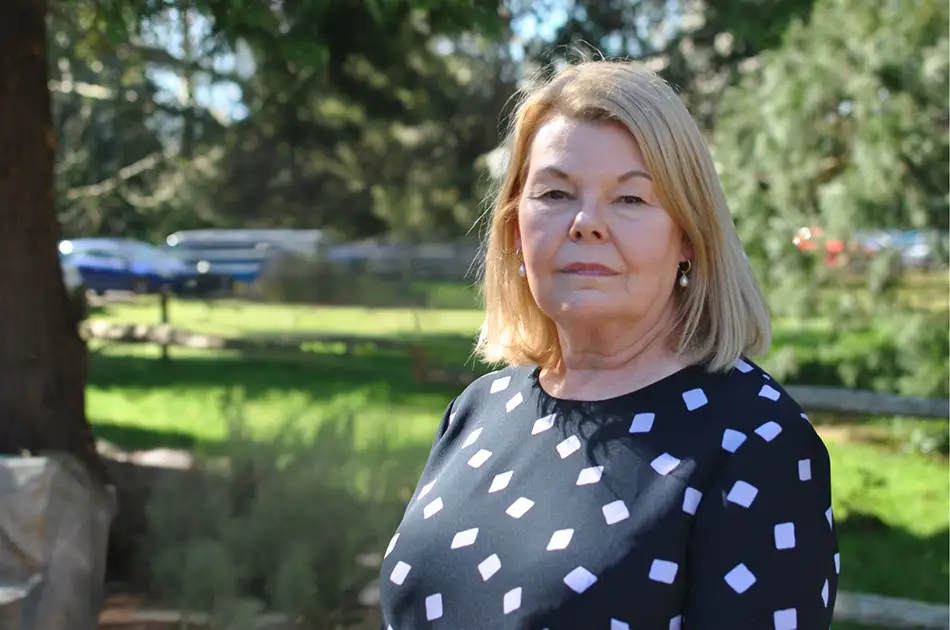
Councillor Jill Cleary, New Forest District Council Leader
Councils back “five unitary council” model and urge residents to have their say on Local Government Reorganisation
A group of 11 councils across Hampshire and the Isle of Wight is urging residents, businesses and partners to take part in the government’s consultation on Local Government Reorganisation.
Together, the councils all support a five-unitary council model as the best fit for the area to keep services local and deliver at least £63.9m a year of savings.
This is in line with the government’s guidance that new councils should have an average population size of circa 500,000 people.
Their case is for four new councils on the mainland, at an average population size of 500,0000, with the Isle of Wight remaining its own unitary.
This keeps decisions close to communities, ensures services will be tailored to local needs including those in rural areas and protects local identity and relationships with businesses, the NHS, police, schools, town and parish councils and voluntary groups.
Each council would have the scale to run complex services well, enable economic growth, invest for the long term and be financially resilient – removing duplication and unlocking at least £63.9m a year in recurring savings, paying back the cost of reorganisation in around three years.
Councillor Paul Harvey, Leader of Basingstoke and Deane Borough Council, speaking for the group of councils, said, “Our message is clear that we want councils close enough to communities to maintain connection and big enough to deliver all services.
Our proposal has the support of 11 local authorities in Hampshire and it is focused on our economic geographies that make most sense to the way residents live and work.”
Councillor Jill Cleary, New Forest District Council Leader, said: “I want to strongly encourage New Forest stakeholders and residents to speak up for the Forest once again, to take part in this consultation and make their views known.
The government’s decision will influence how local services are organised for many years, and it is important that the voices of our communities are heard clearly.
“When we submitted our proposal in September, it reflected what residents, businesses and stakeholders had already told us about the kind of local government they want: councils that stay close to their communities while remaining strong enough to deliver the services people rely on.
The government is now gathering views from across Hampshire, and this is another opportunity for New Forest people to contribute.
I would urge everyone to speak up for the Forest and help ensure the interests of our people and our place are well represented.”
More information and how to take part in the government’s consultation is at https://www.closeenoughtobelocal.co.uk
The councils’ business case shows the five-unitary model is the most balanced option for service quality, local voice and long-term finances.
Independent research from the District Councils’ Network found no evidence that creating very large “mega councils” improves performance or saves more money; in many areas, smaller unitaries perform as well or better.
This supports the group’s view that councils should be big enough to be sustainable, not bigger than needed.
Find out more and respond to the government consultation:
https://www.closeenoughtobelocal.co.uk